

Creating an eco-friendly backyard in Canberra is a rewarding way to enhance your outdoor space while supporting the environment. With Canberra’s unique climate—hot, dry summers, cold winters, and limited rainfall—sustainable landscaping is both practical and impactful. By choosing native plants, water-saving features, and eco-conscious materials, you can craft a low-maintenance, environmentally friendly garden that thrives year-round. At Botanica Landscapes, we specialize in designing sustainable gardens tailored to Canberra’s conditions. Here are our top tips for designing an eco-friendly backyard in Canberra that’s beautiful, functional, and planet-friendly.
1. Prioritize Native Australian Plants
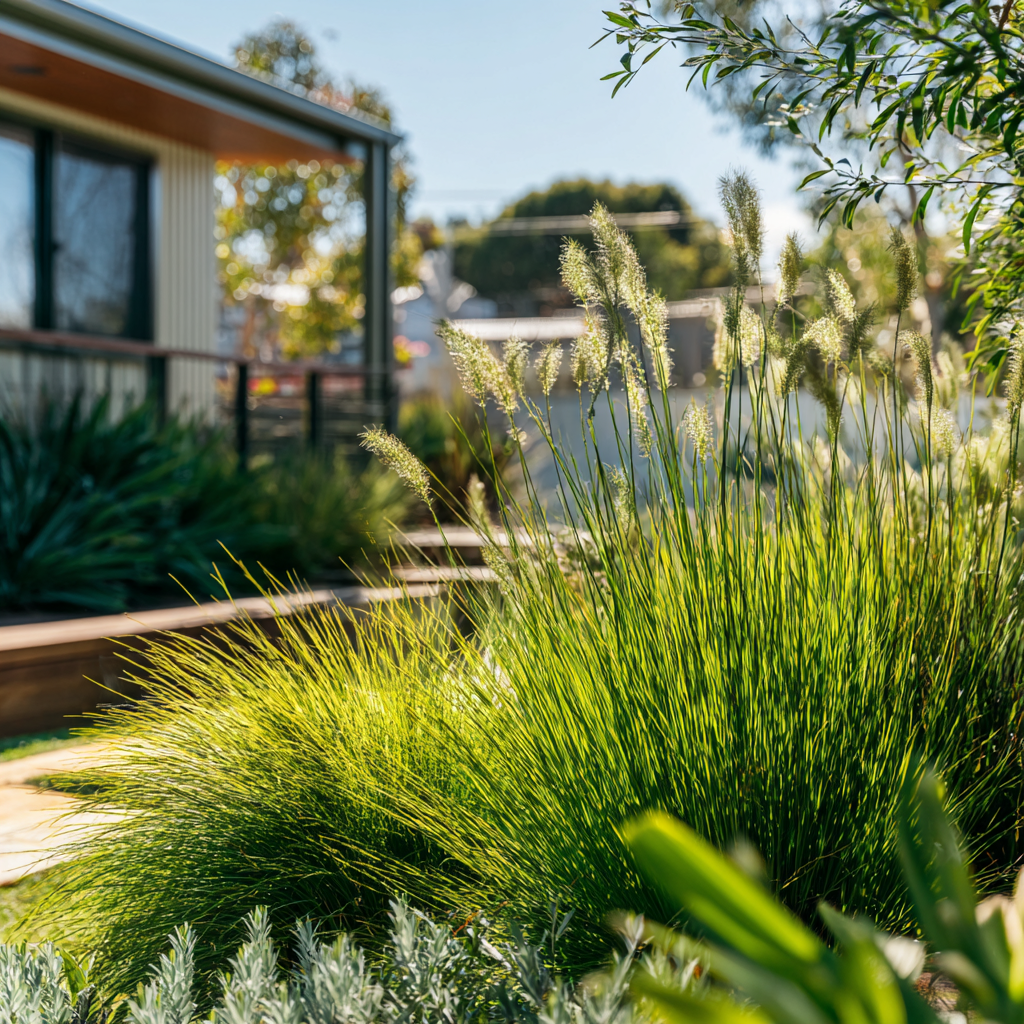
Native plants like Kangaroo Grass (Themeda triandra), Flax Lily (Dianella tasmanica), and Bottlebrush (Callistemon citrinus) are perfectly suited to Canberra’s climate. These species are drought-tolerant, frost-resistant, and require minimal care once established. They also attract local wildlife, such as birds and pollinators, boosting biodiversity.
Tip: Plant natives in clusters to mimic natural ecosystems, reducing weed growth and supporting local insects. For example, a mix of Grevillea groundcover and Mat Rush (Lomandra longifolia) creates a lush, low-maintenance look.
2. Install a Water-Efficient Irrigation System
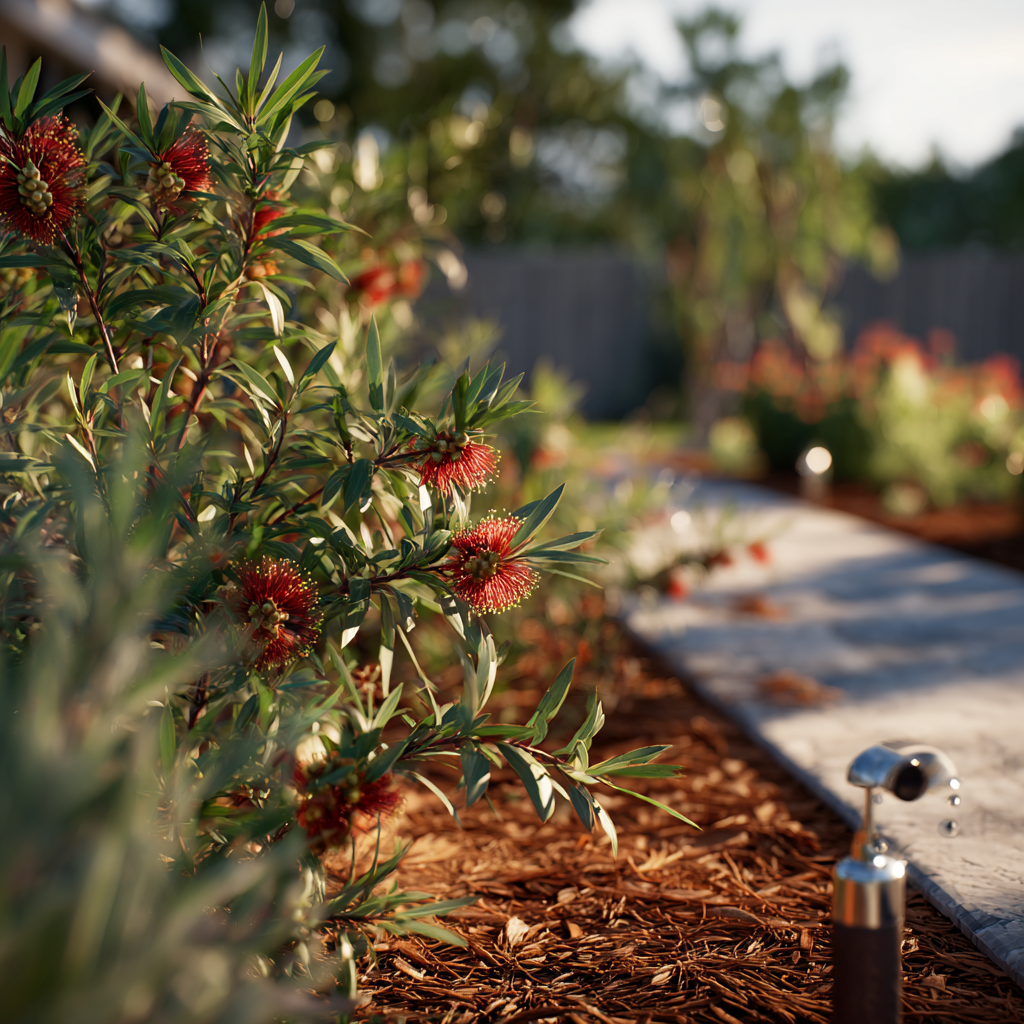
Water conservation is critical in Canberra’s dry climate. A drip irrigation system delivers water directly to plant roots, minimizing waste. Smart controllers, which adjust watering based on weather, can further reduce usage.
Tip: Budget $2,000–$5,000 for a drip system with sensors. Combine with mulch (like organic bark) to retain soil moisture, cutting water needs by up to 50%. Always check local water restrictions before planning.
3. Use Sustainable Materials
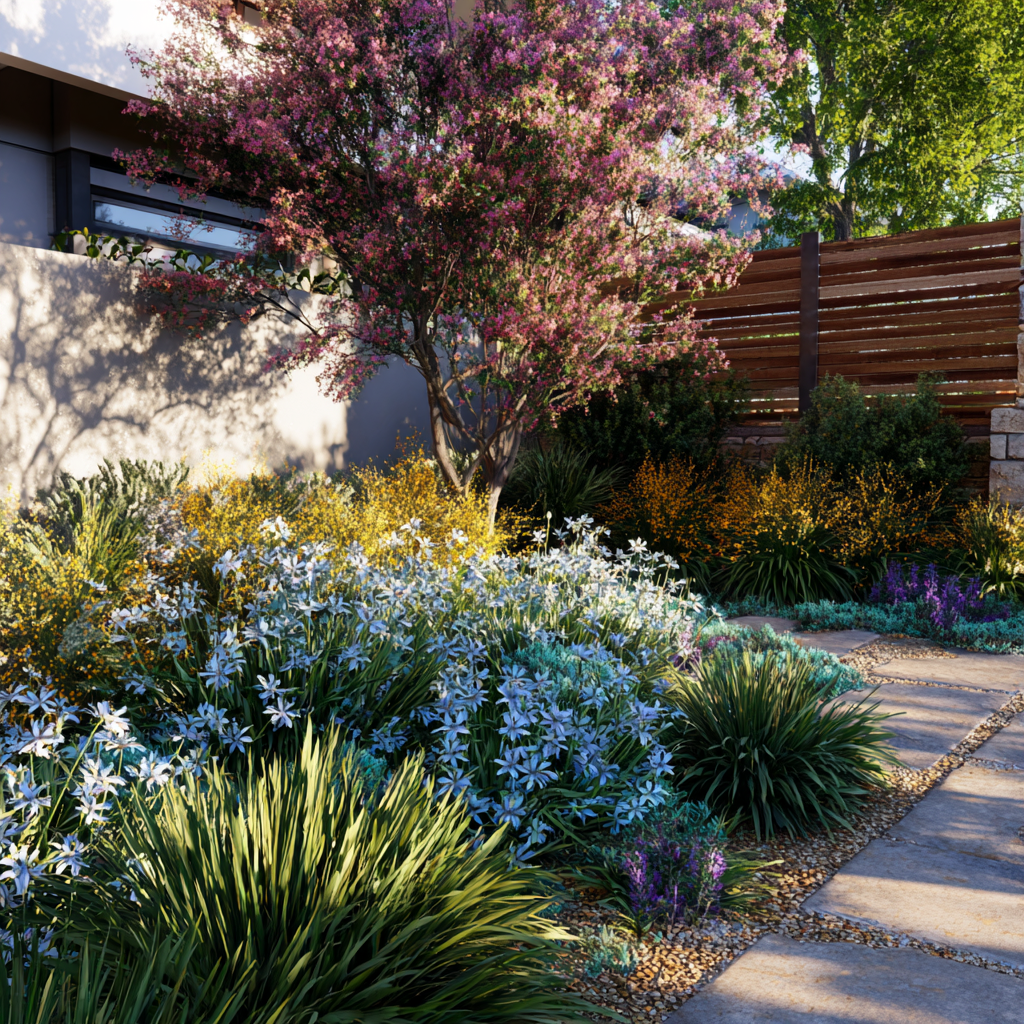
Choose recycled or locally sourced materials to lower your backyard’s carbon footprint. For example:
- Recycled timber for decks or pergolas ($50–$100 per m²).
- Permeable paving for pathways ($60–$120 per m²) to reduce runoff and improve drainage.
- Crushed rock or gravel instead of water-hungry lawns ($30–$80 per m²).
Tip: Avoid synthetic turf, as it can heat up in Canberra’s summers and harm local ecosystems. Opt for native grasses or xeriscaping for a natural, low-maintenance lawn.
4. Incorporate Rainwater Harvesting
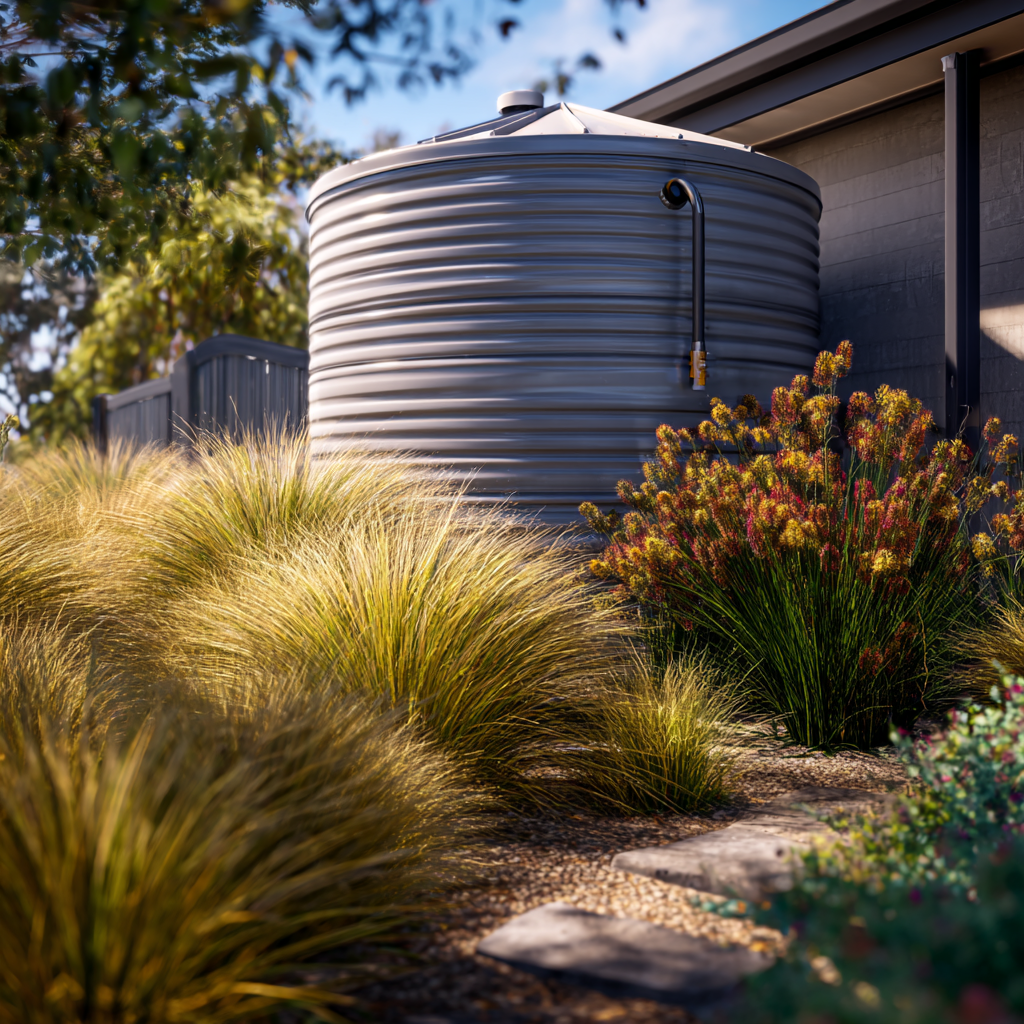
Capturing rainwater reduces reliance on mains water and helps manage Canberra’s heavy downpours. A 2,000-liter rainwater tank costs $1,000–$2,500 and can irrigate a small to medium backyard. For larger gardens, consider a modular tank system.
Tip: Pair tanks with a rain garden—planted with natives like Tussock Grass (Poa labillardierei)—to absorb excess runoff and prevent erosion on sloped blocks.
5. Create Wildlife-Friendly Features
Support Canberra’s ecosystem by adding birdhouses, insect hotels, or small water features like birdbaths. These attract native species and enhance biodiversity. For example, a simple birdbath ($50–$200) paired with flowering natives like Native Fuchsia (Correa 'Dusky Bells') draws pollinators.
Tip: Avoid pesticides and use natural pest control, like companion planting with Emu Bush (Eremophila nivea), which deters pests while adding vibrant purple blooms.
6. Optimize for Energy Efficiency
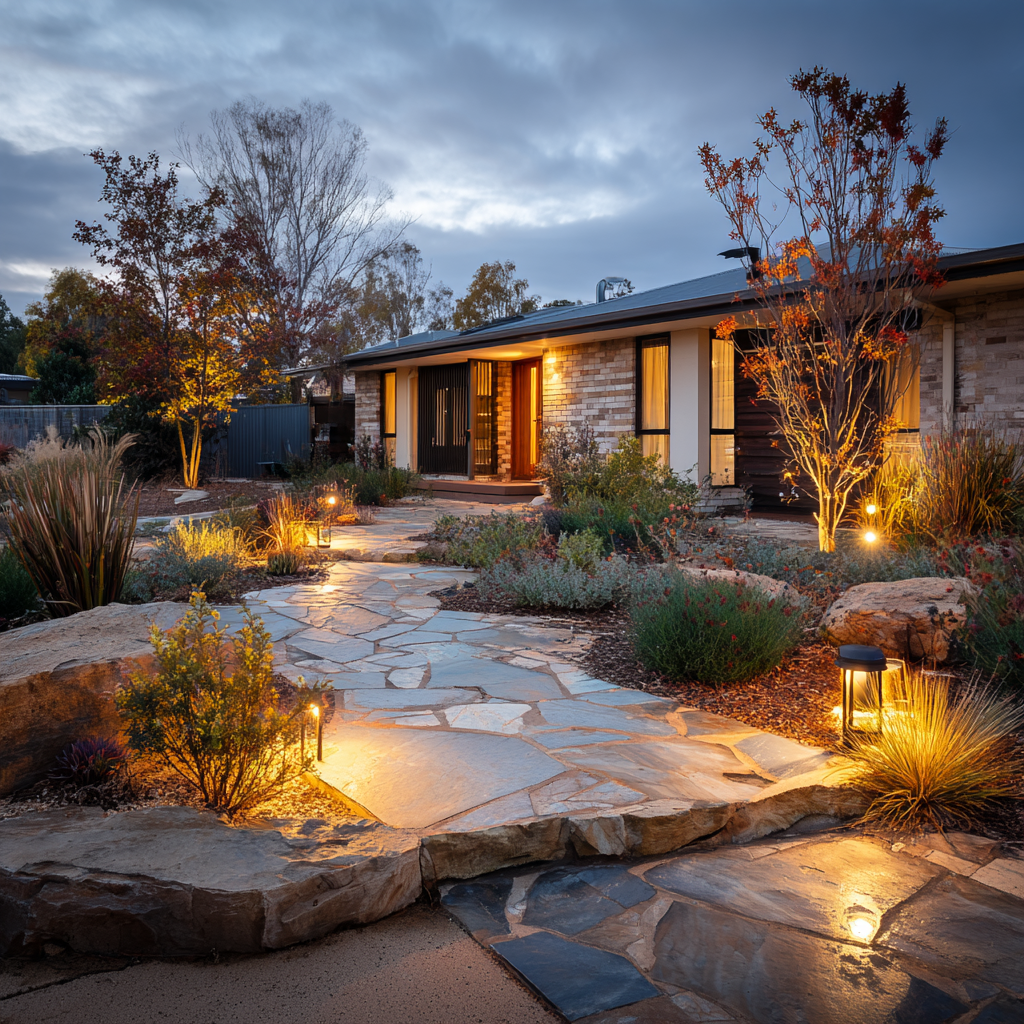 Add solar-powered lighting ($100–$500 for a set) to illuminate pathways or highlight plants without increasing energy costs. Shade trees like Snowy River Wattle (Acacia boormanii) can cool your backyard in summer, reducing the need for air conditioning.
Tip: Position deciduous natives strategically to provide summer shade and winter sun, improving your home’s energy efficiency.
Why Choose Botanica Landscapes for Your Eco-Friendly Backyard?
At Botanica Landscapes, we’re passionate about sustainable landscaping that aligns with Canberra’s climate and lifestyle. Our team designs eco-friendly backyards using native plants, water-saving systems, and green materials to create spaces that are both stunning and environmentally responsible. We handle everything from concept to installation, ensuring your garden thrives with minimal upkeep.
Ready to design an eco-friendly backyard in Canberra? Contact Botanica Landscapes for a free consultation. Let’s create a sustainable, beautiful outdoor space that reflects your values and enhances your home.
View our website or call today to schedule an onsite assessment and start your journey toward a greener backyard in 2025!